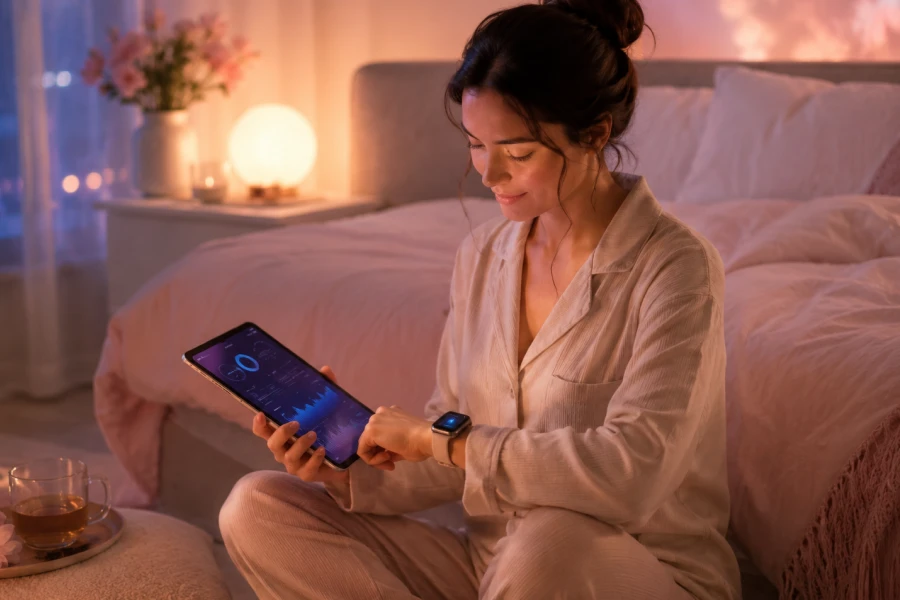
Sleep optimization with AI works best when technology supports real nighttime habits instead of replacing them. Sleep still depends on rhythm, environment, stress, and daily choices. AI can help you see those patterns more clearly. It can organize data. It can suggest routines. It can turn scattered observations into practical next steps. The value is not the tool alone. The value is better awareness. With AI-powered sleep support, rest can become more personal without becoming more complicated.
Sleep optimization with AI becomes useful when it understands your real life. A perfect routine on paper may fail during a busy week. A strict bedtime may not fit family responsibilities. A tracker may show patterns, but it cannot feel your stress. Human context matters. You know when work ran late. You know when worry kept you awake. You know when the room felt too warm. AI can help organize these details. It can support personalized rest planning, but your lived experience guides the process.
Sleep data is most helpful when it reveals patterns. It may show inconsistent bedtimes. It may show restless nights after late caffeine. It may show better mornings after calmer evenings. These insights can guide change. They should not create panic. One unusual night does not define your health. Repeated patterns matter more. The goal is gentle adjustment. Move one habit. Watch the response. Keep what helps. Change what does not. This approach makes sleep data practical instead of intimidating.
Sleep optimization with AI can help design evening routines that fit your schedule. A prompt can ask about your bedtime, work demands, and stress level. It can suggest a short wind-down sequence. It can recommend when to dim lights. It can help plan tomorrow earlier. These ideas are useful because they reduce decision fatigue. You still choose what feels realistic. AI simply helps organize the options. Paired with sleep routine improvement, the process becomes easier to repeat.
Sleep scores can motivate change, but they can also create pressure. If you wake up and immediately judge the night, stress can increase. That reaction defeats the purpose. Use scores as signals, not verdicts. Ask what pattern appears over time. Ask how your body feels. Ask which habit you can adjust calmly. Good sleep is not a daily performance grade. It is a long-term relationship with rest. Technology should make that relationship clearer, not more anxious.
Sleep optimization with AI can support recovery goals by connecting rest with daily effort. You can track workouts, energy, soreness, and bedtime habits. AI can help summarize what seems connected. Maybe late training needs a longer wind-down. Maybe active days require earlier sleep. Maybe stressful meetings affect rest more than exercise does. These insights can support recovery-focused sleep habits. They also help you make changes based on patterns, not guesses.
Prompts can make reflection easier. Ask what helped you fall asleep faster. Ask what kept your mind active. Ask how energy felt in the morning. Ask what one change would make tonight calmer. These questions are simple, but they create useful awareness. AI can organize the answers into themes. It can suggest a small experiment for the next week. This keeps the process manageable. You do not need to overhaul your life. You need one practical change that supports better rest.
Sleep optimization with AI should not make bedtime feel like a project. The best routine still feels human. Dim the lights. Slow the pace. Put the phone away. Prepare the room. Let the mind unload. Use AI before the final wind-down, not during it. This keeps technology in a supporting role. It also protects the quiet you are trying to create. With smart sleep tracking, simplicity should remain the goal.
Better rest improves when feedback becomes clear. You notice what helps. You notice what hurts. You adjust without shame. Sleep optimization with AI can make that feedback easier to read. It can connect habits, timing, and energy in a more useful way. Still, the routine must live in your actual evenings. It must survive busy days. It must respect stress, family, work, and recovery needs. When technology meets realistic habits, sleep becomes less mysterious and more manageable night after night.




Leave a comment
You must be logged in to post a comment.