Yoga breathing exercises give beginners a practical way to calm the body before movement even begins. Breath is simple, but it is not small. It shapes focus. It steadies posture. It helps tense muscles release. It also gives the mind something clear to follow. When stress builds, breathing often becomes shallow. Yoga brings attention back to that pattern. With practice, you learn to slow down without shutting down. That skill can support mindful movement practice, better daily energy, and a more grounded relationship with your body.
Breath connects every part of yoga. It prepares the body before a pose. It supports balance during movement. It creates a softer landing after effort. Without breath, yoga can feel like stretching. With breath, it becomes awareness in motion. Beginners often discover this difference quickly. A steady inhale can lengthen the spine. A slow exhale can relax the shoulders. A pause can prevent rushing. This rhythm teaches control without force. It also makes beginner wellness routines feel calmer and more intentional.
Attention improves when it has an anchor. Breath is one of the easiest anchors to use. You can feel it immediately. You can return to it anytime. You can notice when it changes. That makes breathing useful during stress, stretching, and rest. The mind may wander. The breath brings it back. This process is not about emptying thoughts. It is about practicing return. Each inhale gives you a new start. Each exhale gives you a release. That steady repetition makes yoga feel less complicated and more present.
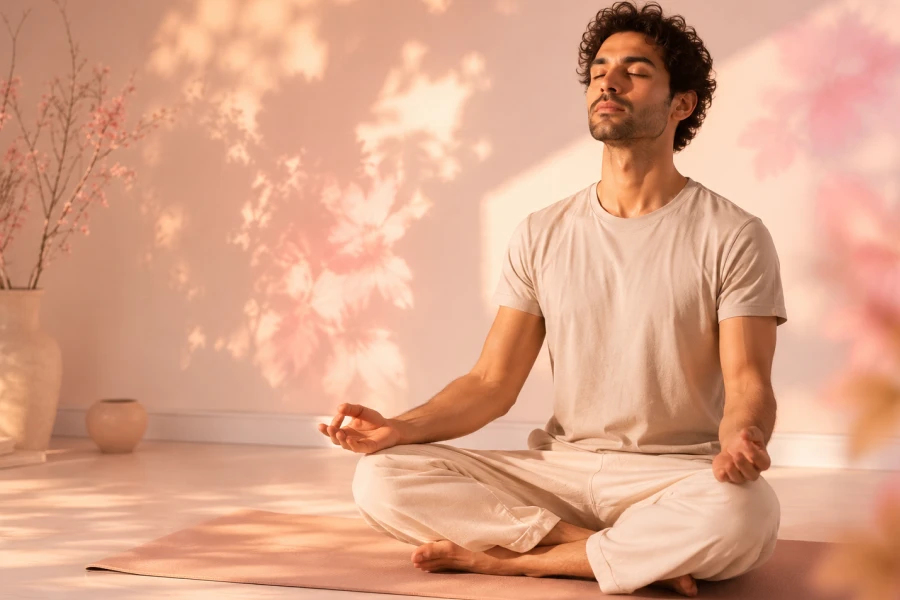
Yoga breathing exercises work best when you begin with comfort. Sit tall. Relax the jaw. Let the shoulders drop. Breathe through the nose if that feels natural. Count the inhale gently. Count the exhale without strain. Try making the exhale slightly longer. Notice what changes. The body may soften. The mind may feel clearer. Even two minutes can shift the session. This is why breathing techniques for yoga are especially helpful for beginners who feel nervous about movement.
Breath becomes more useful when it matches movement. Inhale as you reach upward. Exhale as you fold forward. Inhale as you lengthen the chest. Exhale as you settle into the floor. These patterns are easy to remember. They also make the practice feel smoother. The body starts moving with less resistance. Instead of chasing a pose, you follow a rhythm. This helps beginners stay patient. It also reduces the urge to force. When breath leads movement, yoga becomes more supportive, especially during simple yoga flows.
Yoga breathing exercises can help on days when your body feels tense before practice begins. A long exhale can signal safety. A slow count can interrupt racing thoughts. A few grounded breaths can make movement possible. This matters because stress often makes people skip wellness habits. Breathing creates a smaller entry point. You do not need motivation to start. You only need one breath. Then another. That tiny beginning can lead into stretching, stillness, or a short flow. Over time, the practice becomes a dependable reset.
Breathing should support practice, not create pressure. Beginners sometimes worry about doing it wrong. That worry is unnecessary. The first goal is simple awareness. Notice whether the breath is shallow. Notice whether it feels held. Notice whether movement changes it. Then adjust gently. No advanced technique is required. You can build from basic counting. You can practice during rest. You can return to normal breathing whenever needed. This flexible approach keeps yoga human. It also helps you stay consistent without turning every session into a performance.
Yoga breathing exercises become more personal when reflection is part of the routine. After practice, you can record what felt calm, tight, easy, or difficult. AI prompts can help you turn those notes into better sessions. They can suggest when to slow the pace. They can offer a short breath sequence for low-energy days. They can help you identify patterns over time. This does not replace body awareness. It supports it. For beginners, AI yoga prompts can make progress easier to understand.
A habit becomes stronger when it feels rewarding. Breath creates that reward quickly. You may not master a pose in one week. You can still feel calmer after one session. You may not become flexible right away. You can still feel more connected to your body. That immediate feedback matters. It keeps the practice alive. It helps you return tomorrow. When yoga breathing exercises become familiar, they travel with you. You can use them before work, after stress, during stretching, or anytime your body asks for steadiness.



Leave a comment
You must be logged in to post a comment.